
Quick answer: Physical and emotional connection are deeply linked, when one fades, the other usually follows. Mismatched desire is rarely just about sex; it's often a sign of emotional distance, pressure, or unspoken resentment. With honest conversation, reduced pressure, and sometimes professional support, most couples rebuild both closeness and intimacy.
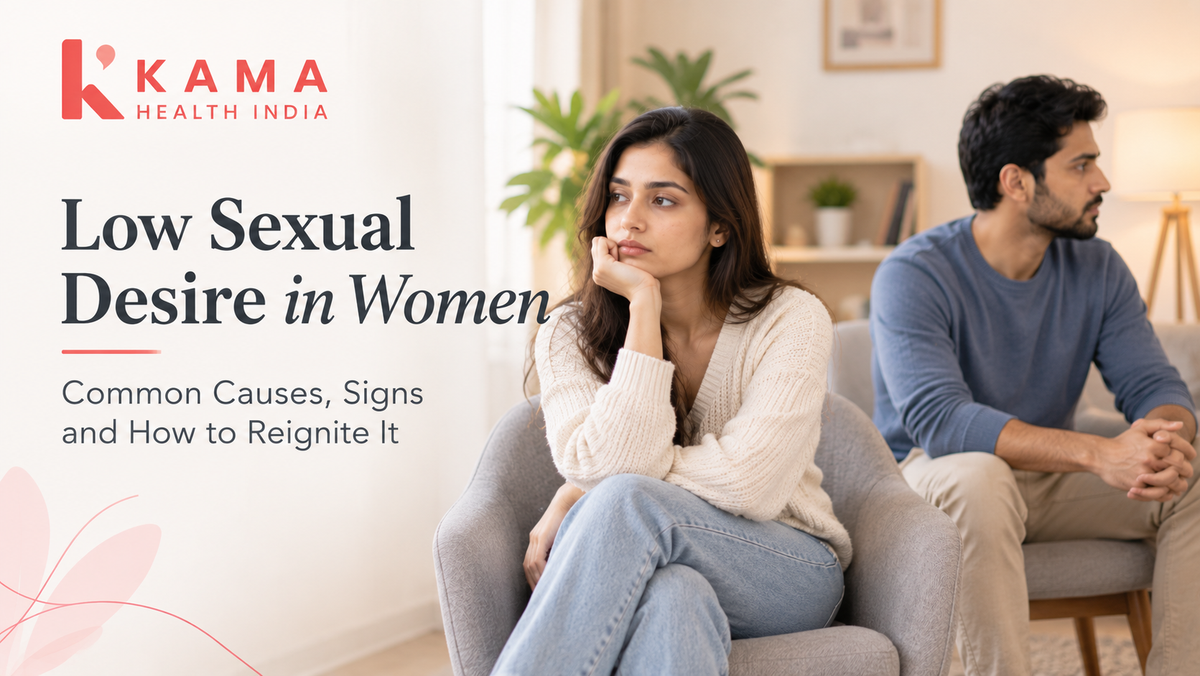
Ananya and Raghav*, married four years, hadn't been intimate in nearly seven months. On the surface, nothing dramatic had happened, no affair, no big fight, no obvious crisis. But somewhere between work stress, a new baby, and a hundred small unspoken frustrations, touch had quietly disappeared from their marriage. This is their story, and the pattern behind it is one we see in our practice constantly.
(*Names and identifying details have been changed to protect the couple's privacy. Their story is shared with permission as a representative case from our clinical practice.)
How It Started
It began small. Raghav would initiate, Ananya, exhausted and touched-out from caring for their infant all day, would gently turn away. A few weeks became a few months. Raghav started to read every "not tonight" as rejection. Ananya started to dread bedtime, bracing for a conversation she didn't have the energy for. Neither of them was doing anything wrong, they were simply caught in a cycle neither knew how to break.
Physical and Emotional Connection Are Deeply Linked
What Ananya and Raghav were experiencing isn't unusual, and it isn't really about sex at all. Physical intimacy and emotional closeness feed each other; when one weakens, the other tends to follow. In our sessions with them, five patterns stood out clearly:
● One partner feels pressured, while the other feels rejected. Raghav felt he was constantly being turned down; Ananya felt she was constantly being asked for something she had nothing left to give.
● Emotional distance can reduce affection and intimacy. As the tension grew, small gestures, a hand on the back, a goodnight kiss, quietly stopped too.
● Repeated rejection can create resentment and insecurity. Raghav began to wonder if Ananya was still attracted to him at all. Ananya began to feel like a source of disappointment rather than a partner.
● Pressure can make the other partner want intimacy even less. The more Raghav hinted or hoped, the more Ananya's body tensed at the mere anticipation of it.
● Sometimes, the real issue is the emotional connection, not just sex. Underneath the physical disconnect was a couple who had stopped really talking, checking in, or feeling like a team.
The Turning Point
What finally shifted things wasn't a grand gesture, it was a single honest conversation. Ananya admitted she felt touched-out and unseen, not undesired. Raghav admitted his hurt had turned into quiet resentment he hadn't voiced. Naming the pattern, out loud, without blame, was the first real step forward. Soon after, they booked a few online sessions with a couples counsellor to help them navigate it together.
What They Did Differently
● Talked about what had changed, without blaming each other for it.
● Actually listened to what the other person was feeling, instead of preparing a defence while the other spoke.
● Rebuilt emotional closeness outside the bedroom first, daily check-ins, short walks, phone-free dinners.
● Took the pressure off sex for a while, agreeing there was no expectation attached to affection.
● Sought professional help once they realised they kept circling the same argument alone.
None of this fixed things overnight. But within a few weeks, small affection returned: a hand held a little longer, a hug that wasn't rushed. Physical intimacy followed naturally, once the emotional safety was rebuilt first, not forced back into place.
Where They Are Now
"I used to think something was wrong with us," Ananya says now. "Now I know it wasn't about desire at all, it was about feeling disconnected. Once we fixed that, everything else came back on its own."
Key Takeaways for Any Couple Feeling Stuck
● A dip in physical intimacy is often a symptom of emotional distance, not the root cause
● Pressure and pursuit almost always backfire, they push the other partner further away
● Rebuilding closeness usually has to happen outside the bedroom before it happens inside it
● Naming the pattern without blame is often more powerful than any single fix
● If a couple keeps circling the same conversation without progress, professional support can break the cycle faster than either partner alone
Frequently Asked Questions
Why does emotional distance affect physical intimacy?
Physical intimacy usually requires a sense of safety, ease and connection. When emotional distance builds up through unspoken frustration, exhaustion or resentment, the nervous system stays guarded, which naturally lowers desire and comfort with touch.
Is a sexless period in a relationship something couples can recover from?
Yes, this is very common and very recoverable. Most couples who address the underlying emotional pattern, rather than focusing only on the lack of sex, see intimacy return naturally once trust and closeness are rebuilt.
How do you talk to your partner about mismatched desire without blame?
Focus on your own feelings rather than your partner's actions: naming what changed for you ("I've felt exhausted and touched-out") lands very differently from naming what's wrong with them ("You never want me anymore"). Listening without immediately defending yourself matters just as much as what you say.
When should a couple seek professional help for intimacy issues?
If the same conversation keeps repeating without progress, if resentment is building, or if either partner feels stuck, hurt, or unheard, a few sessions with a couples counsellor or sex therapist can help identify the real pattern and offer a structured way through it.
Is low desire always about sex itself?
No. Low desire is frequently a signal of something else, stress, exhaustion, unresolved conflict, or emotional disconnection. Addressing the underlying cause is usually far more effective than focusing on desire in isolation.
Feeling Stuck in Your Own Relationship?
If Ananya and Raghav's story feels familiar, you're not broken, and you're not alone. Kama Health India offers confidential online counselling for couples navigating mismatched intimacy, emotional distance, and everything in between.
Book a confidential consultation at https://kamahealthindia.com/