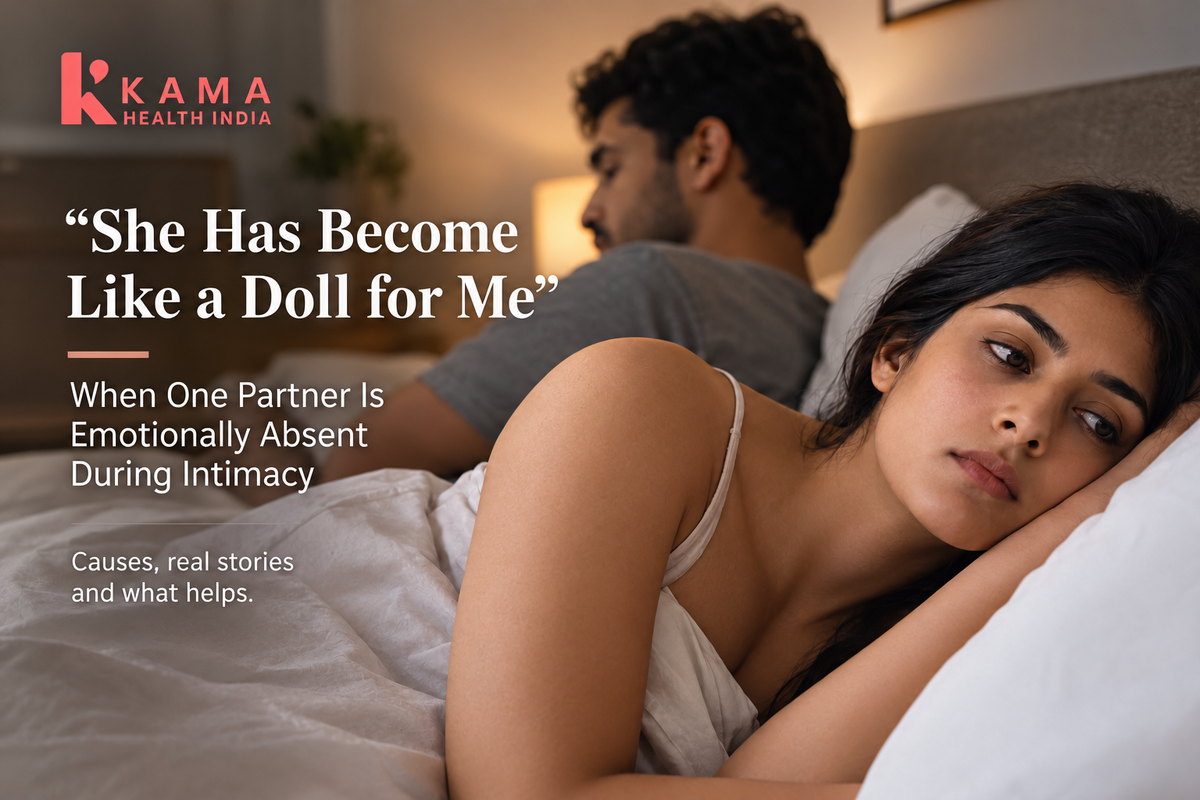

Low sexual desire is one of the most common concerns women experience, yet it is rarely talked about openly. A dip in interest in sex from time to time is completely normal, and desire naturally fluctuates due to stress, life changes, and hormonal shifts. But when low desire becomes persistent and starts affecting your relationship or self-confidence, it is worth understanding the underlying causes and exploring ways to address it. This blog breaks down what low sexual desire really means, what commonly causes it, and how professional support can help.
What Is Low Sexual Desire?
Low sexual desire, sometimes called low libido, is a reduced interest in sexual activity that persists over time and causes personal distress or affects a relationship. It's important to note that every woman has a different baseline level of desire, so there is no single "normal" amount. Low desire becomes a concern only when it represents a noticeable change from what feels typical for you, and when it causes worry, frustration, or relationship strain.
Common Physical Causes
Sexual desire is influenced by a complex interplay of hormones, physical health, and the nervous system. Common physical contributors include:
• Hormonal changes: fluctuations related to the menstrual cycle, pregnancy, postpartum recovery, breastfeeding, perimenopause, and menopause
• Medications: certain birth control methods, antidepressants, and blood pressure medications can affect libido
• Chronic health conditions: thyroid disorders, diabetes, and chronic fatigue or pain conditions
• Sleep and energy levels: poor sleep and persistent fatigue can significantly reduce interest in intimacy
Emotional and Psychological Factors
Desire is deeply connected to emotional wellbeing, and psychological factors are often just as significant as physical ones. These may include:
• Stress and anxiety: ongoing pressure from work, family responsibilities, or daily life can leave little mental space for intimacy
• Body image concerns: feeling self-conscious about one's body can reduce comfort with physical closeness
• Relationship dynamics: unresolved conflict, poor communication, or emotional distance with a partner
• Mental health: depression, anxiety, and past experiences of trauma can directly impact sexual desire
• Mental load: the ongoing responsibility of managing household or caregiving duties can lead to emotional exhaustion
How Low Desire Affects Intimacy and Relationships
When one partner experiences lower desire than the other, it can sometimes lead to feelings of rejection, guilt, or misunderstanding on both sides. Left unaddressed, this can create emotional distance in a relationship. Recognizing that low desire is a common and valid experience, not a personal failing, is an important first step toward approaching the issue with compassion rather than blame.
Ways to Improve Intimacy
There is no one size fits all solution, but several approaches can help rebuild desire and connection over time:
• Open communication: talking honestly with your partner about how you feel, without pressure or judgment
• Prioritizing rest and stress management: addressing fatigue and mental load can meaningfully improve desire
• Reconnecting emotionally: spending quality time together outside the bedroom can help rebuild intimacy
• Addressing underlying health factors: reviewing hormone levels, medications, or health conditions with a professional
• Seeking professional guidance: a trained provider can help identify the specific factors affecting your desire and guide you toward an appropriate approach
When Should You Seek Professional Help?
It's worth reaching out for support if low desire has lasted for several months, is causing you distress, or is affecting your relationship. Professional guidance can help determine whether hormonal, medical, or emotional factors are contributing, and can offer a personalized path forward rather than guesswork.
How Kama Health India Can Help
At Kama Health India, we understand that conversations about sexual desire can feel deeply personal and sometimes difficult to start. That's why we offer private, judgment free online consultations where you can speak openly with our team from the comfort of your own home.
Our sessions are designed to help you understand what may be contributing to low desire, whether physical, hormonal, or emotional, and to guide you toward practical, personalized steps for improving intimacy and overall wellbeing.
Final Thoughts
Low sexual desire is common, valid, and very often manageable with the right understanding and support. You do not have to navigate it alone or in silence. Taking the first step to talk about it, with a partner or a professional, can open the door to better intimacy and emotional connection.
Book an online session with the Kama Health India team today to better understand your concerns and take the next step toward improved intimacy and wellbeing.