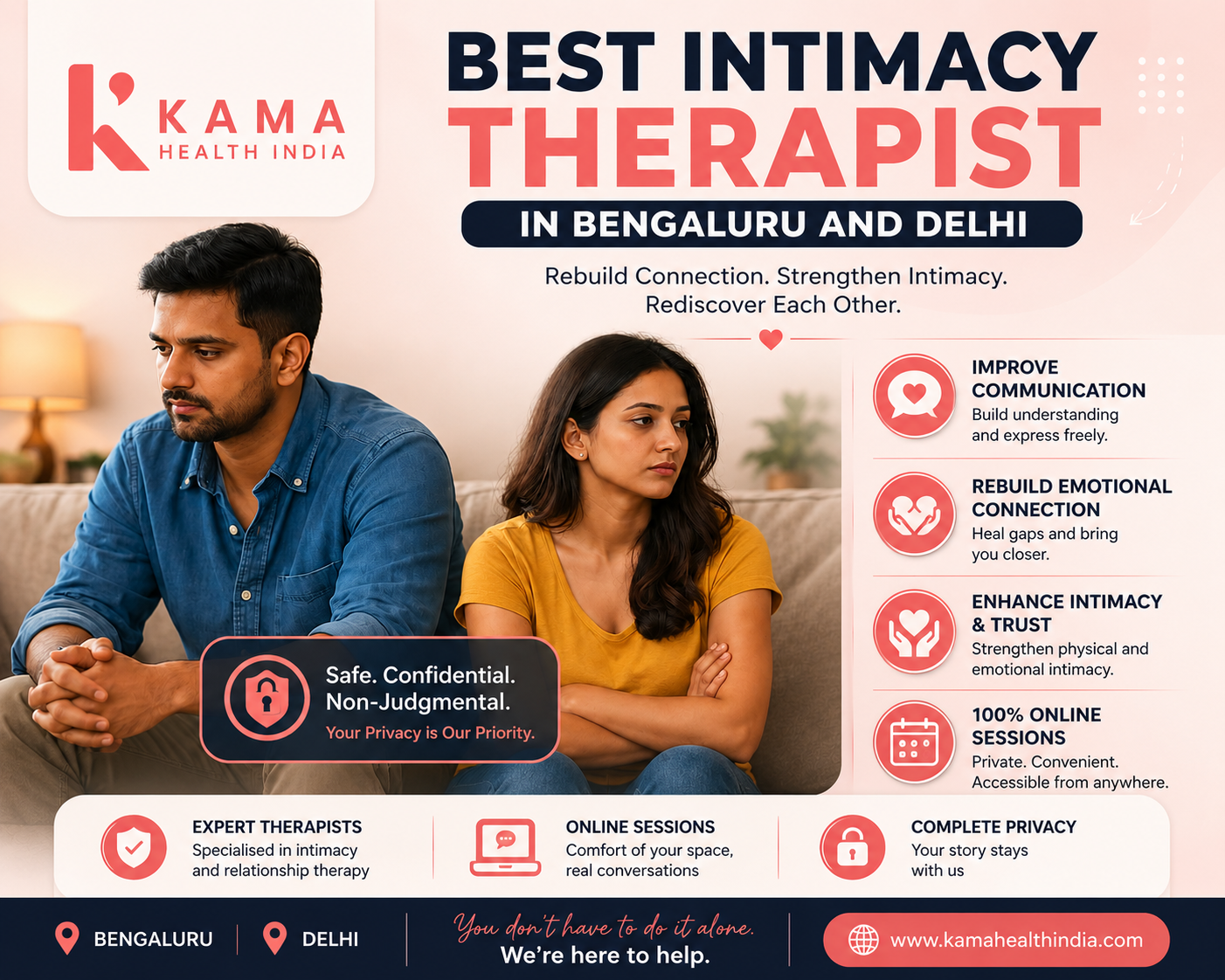

Couples hesitate to go to therapy because they think the only thing they need to fix their problems is love. However, all loving relationships have struggles like misunderstandings, disconnection, or conflict. Couples and relationships therapy is an evidence-based and structured form of therapy that helps both partners communicate better, rebuild trust, and reconnect emotionally.
Love Alone Is Not Always Enough
Couples and relationships therapy is a type of psychological counseling that aims to help partners overcome relationship issues. It is a safe and neutral environment where both partners can share their concerns freely, guided by a trained therapist.
This type of therapy involves:
Building better communication
Solving ongoing conflicts
Working through trust problems
Improving sexual, emotional, and physical intimacy
Dealing with life transitions (marriage, having children, moving, and job changes)
Relationship counseling does not indicate that the relationship is failing. Rather, it indicates that the relationship is ready to grow.
The Quiet Signs Your Relationship Needs Attention
Most people think therapy is only needed when they are facing a major crisis. You should consider therapy in these circumstances:
- If you have had the same fight repeatedly
- if the emotional bond between you and your partner has deteriorated
- if you or your partner has broken trust
- if you haven't had enough physical intimacy
- if communication styles between you and your partner have become aggressive or non-existent
The Science Behind Stronger Relationships
Evidence-based models are the foundation for modern couples and relationship therapy. The two most researched relationship models are:
The Gottman Method in Therapy:
This approach helps people improve their communication abilities while they learn to resolve conflicts and build emotional connections.
The Method contains these main components:
Decreasing defensive behavior, which people use to protect themselves from criticism
Increasing emotional intimacy.
Helping partners create a shared understanding
The structured system provides effective support for couples who deal with both major conflicts and frequent communication failures.
2. Emotionally Focused Therapy (EFT):
This Therapy relies on the theory of attachment. It assists couples to learn how fear, insecurity, or past life experiences can influence relationship behaviors.
EFT focuses on:
Determining negative emotional cycles.
Building emotional safety
Encouraging vulnerability
Recreating secure attachment.
Research shows that EFT improves emotional closeness and long-term relationship satisfaction.
How Couples and Relationships Therapy Improves Mental and Sexual Health
Mental health is often impacted by relationship distress. Chronic conflict is likely to cause stress, anxiety, and depression. Sexual desire and intimacy may also be decreased by emotional disconnection.
Guided support helps in supporting the emotional and sexual well-being by:
Improving emotional safety
Promoting the discussion of sexual needs.
Reducing resentment
Educating on healthy conflict resolution.
When partners feel emotionally secure, physical intimacy often improves naturally.
Inside a Couple's Therapy Session
Therapy is collaborative. One does not need to determine who is correct or incorrect, but making the connection and showing respect is what matters.
Typically, sessions include:
Evaluation of relationship history.
Determining patterns of communication.
Discovering emotional triggers.
Studying useful conflict management techniques.
Enhancing compassion and appreciation.
Conclusion: Why Couples and Relationships Therapy Matters
The first step towards achieving a better relationship with your partner is to develop your relationship through therapy. All relationships will face difficulties because of their nature. With proper guidance, couples can rebuild their trust and restore their emotional connection while enhancing their overall relationship health.
FAQs
1. What is therapy?
The professional counseling service known as couples and relationships therapy assists partners in developing better communication skills while they work to solve their disputes and create deeper emotional bonds with each other.
2. Is relationship counseling only for married couples?
No, because relationship counseling benefits all types of relationships, which include dating, engaged, and married couples.
3. How long does professional help take?
The duration varies. Some couples require short-term, which lasts between eight and twelve sessions, while others may require longer support for complex issues.
4. Does therapy help after infidelity?
Yes. Therapy enables partners to rebuild trust while they work through their emotional pain and reach decisions about their future together.
5. Does couples and relationships therapy improve intimacy?
Yes! Through better communication and emotional safety development, guided support strengthens both emotional and sexual intimacy.