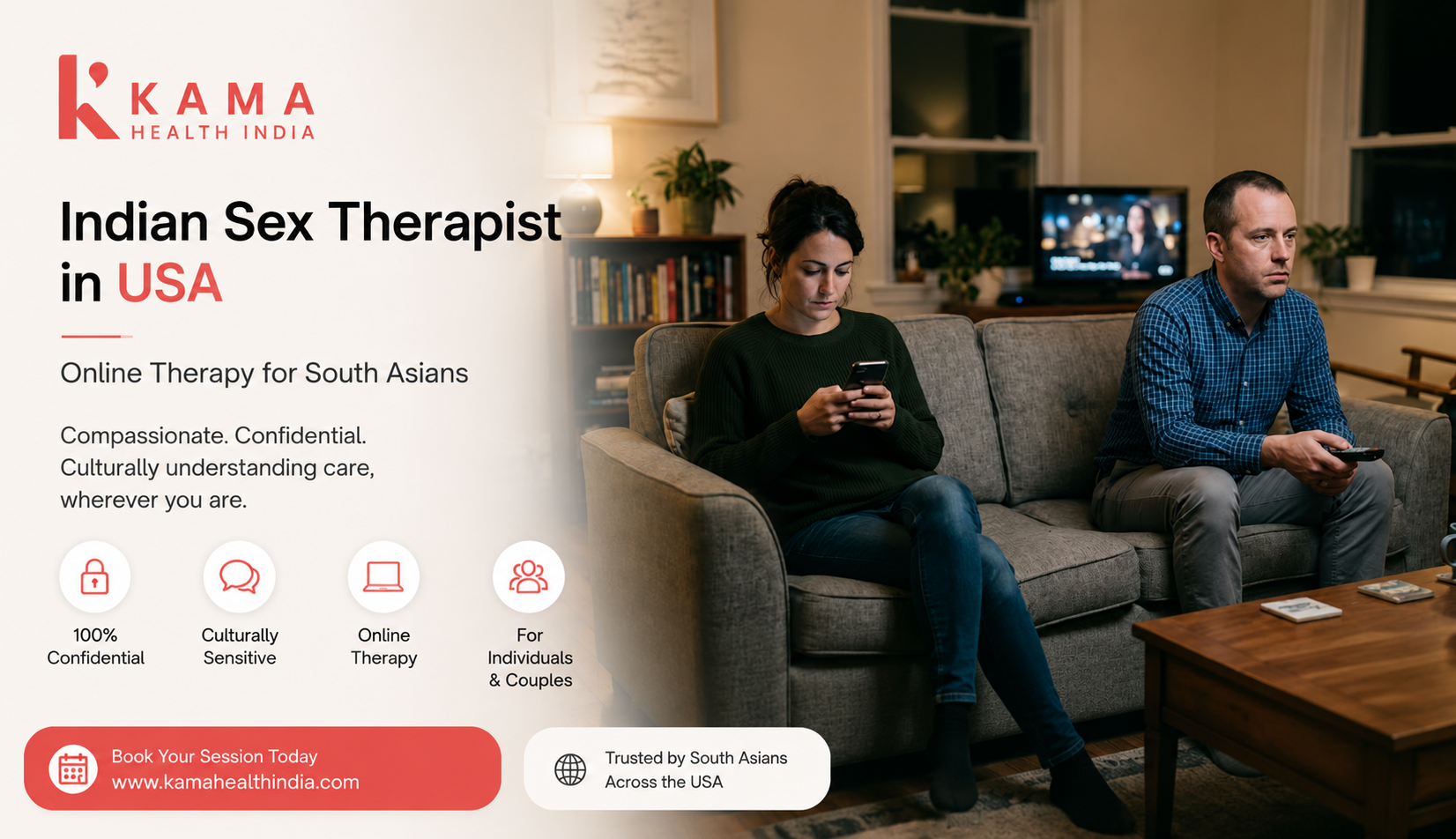

What couples therapy and sex therapy can teach us before we change the structure of our relationships
As a relationship and sex therapist, I have been noticing a growing pattern in my practice. When couples begin struggling with intimacy, many are jumping to one solution almost immediately: opening the relationship.
This article is not about whether open relationships, non-monogamy, or ethical non-monogamy (ENM) are right or wrong. It is about understanding what is actually happening in your relationship before you change its structure.
What Couples Are Struggling With
More and more couples are arriving in couples therapy and sex therapy sessions describing similar challenges:
• Low or mismatched sexual desire
• Painful sex or avoidance of physical intimacy
• Loss of emotional connection
• Feeling more like roommates than romantic partners
• Differences in sexual preferences or kinks
These are genuinely difficult experiences. And the discomfort of navigating them can lead couples to a very understandable conclusion:
|
"Maybe we are just not meant for each other. Maybe we need other people." |
But here is what I have learned through years of working in sex therapy and couples therapy: many of these concerns are actually workable. They do not automatically mean the relationship is over, or that it needs to be restructured.
Why Open Relationships Are Becoming a Default Suggestion
Non-monogamy, ethical non-monogamy, and open relationships have become far more visible in popular culture over the past decade. That visibility is largely positive. People deserve access to different relationship models and the language to explore them.
However, visibility can sometimes create the impression that non-monogamy is a solution to relationship distress. It is not always that simple.
Most people were never taught the emotional vocabulary, communication skills, or sexual education needed to navigate intimacy challenges in long-term relationships. So when things start feeling difficult, disconnected, or sexually mismatched, the assumption becomes:
|
"This must mean we are incompatible. Maybe adding other people will fix it." |
But often, what needs attention is something that can be worked through in the right therapeutic setting.
What Couples Therapy and Sex Therapy Can Actually Address
Before changing the structure of a relationship, it is worth understanding what might be driving the disconnection. In couples therapy and sex therapy, we regularly work through:
• Communication patterns that shut down intimacy
• Emotional safety and vulnerability within the relationship
• Unresolved resentment or relational wounds
• Anxiety around physical or emotional closeness
• Shame about desire, body, or sexuality
• Mismatched libidos and how to navigate them with care
• Understanding each partner's sexual needs and preferences
• Rediscovering physical and emotional connection over time
These are not small or simple issues. But they are workable ones. The right therapeutic support can help couples find language for experiences they have never been able to express, and build connection they thought was gone.
The Reality of Ethical Non-Monogamy and Open Relationships
Open relationships and ethical non-monogamy (ENM) are valid, meaningful relationship structures. For couples who choose them consciously and from a grounded place, they can be deeply fulfilling.
However, healthy non-monogamy requires a specific set of foundations:
• A high level of emotional security in the relationship
• Advanced communication skills and the willingness to use them consistently
• Strong self-awareness from both partners
• Explicit, ongoing consent and negotiated boundaries
• The capacity to manage jealousy, attachment, and insecurity with maturity
These are not qualities that appear automatically. They take work, often with therapeutic support. And if a relationship is already emotionally fragile, disconnected, resentful, or insecure, introducing another person into the dynamic can intensify that pain rather than resolve it.
What Happens When Unresolved Issues Enter an Open Relationship
When a couple opens their relationship without first addressing underlying intimacy problems, what tends to happen is this: the unresolved issues become more visible, not less.
Insecurities that were manageable in a closed dynamic can become overwhelming. Emotional distance that seemed tolerable can feel unbearable when a partner is connecting deeply with someone else. Attachment wounds that have never been addressed can be triggered in unexpected and painful ways.
This is not a judgment of open relationships as a structure. It is simply an observation that changing the container does not heal what is broken inside it.
|
Opening a relationship to escape unresolved intimacy issues is very different from consciously choosing non-monogamy from a secure and informed place. |
Questions Worth Asking Before You Open the Relationship
If you and your partner are considering non-monogamy, ENM, or an open relationship, these are questions worth sitting with first:
• What specific problem are we hoping this will solve?
• Have we addressed the emotional disconnection between us?
• Do we feel emotionally safe with each other right now?
• Have we explored what is happening in our sexual relationship through therapy or guided conversation?
• Are we choosing this from a place of security, or from a place of avoidance?
• Do both of us genuinely want this, or is one of us agreeing reluctantly?
These questions are not meant to talk you out of anything. They are meant to help you understand what you are actually choosing, and why.
What Sex Therapy and Couples Therapy Offer That an Open Relationship Cannot
Sex therapy and couples therapy create a space to understand the roots of intimacy challenges rather than working around them. They offer tools that remain useful regardless of the relationship structure you ultimately choose.
In therapy, couples learn how to:
• Talk about desire, need, and preference without shame or defensiveness
• Navigate conflict without it eroding connection
• Rebuild emotional and physical intimacy after disconnection
• Understand the deeper stories each partner carries about love, sex, and closeness
• Make informed, values-aligned decisions about their relationship structure
Whether a couple ultimately decides to remain monogamous, explore ethical non-monogamy, or end the relationship entirely, therapy helps ensure that the decision comes from clarity rather than avoidance.
A Final Note
Open relationships are not wrong. Non-monogamy and ENM are legitimate choices that work beautifully for many people.
But if your relationship is struggling, the most important question is not "should we open this up?" It is a more fundamental one:
|
What is actually happening between the two of you? And have you given yourselves the support to understand it? |
If you are navigating intimacy challenges, mismatched desire, emotional disconnection, or questions about your relationship structure, couples therapy and sex therapy can provide the space and tools to find real answers.
You do not have to figure this out alone.